Uncover Top Flooring Services to Enhance Your Living Space With Style and Durability
Choosing the right flooring can substantially impact a home's appearance and functionality. Quality flooring options vary from classic hardwood to modern vinyl, serving various tastes and needs. Understanding the merits of each type is essential for homeowners seeking style and durability. However, the selection process can be overwhelming without proper guidance. What factors should one consider to secure a lasting investment in their living space?
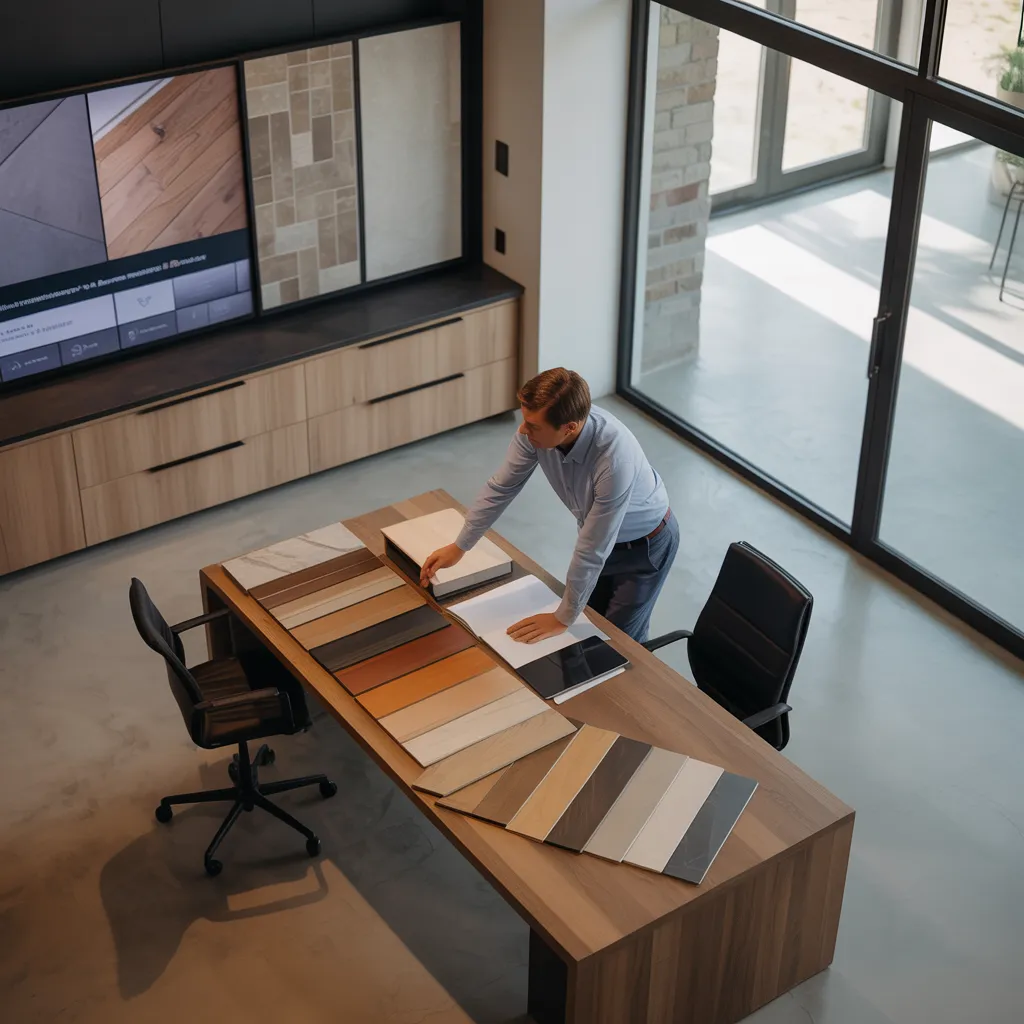
The Benefits of Choosing Quality Flooring
Quality flooring serves as the foundation of any living space, impacting both aesthetics and functionality. Opting for high-quality materials not only improves the visual appeal of a room but also supports its durability and maintenance. Quality flooring can handle the wear and tear of daily life, decreasing the need for frequent replacements. Moreover, it can boost indoor air quality by minimizing dust and allergens, promoting a healthier environment for residents.
Committing to quality flooring may also lead to energy efficiency, as particular materials provide better insulation. This can result in reduced heating and cooling costs over time. Furthermore, quality flooring often delivers better sound insulation, creating a more tranquil living space. Eventually, choosing premium flooring materials elevates the overall value of a home, making it a expert advice wise investment for both present enjoyment and future resale potential.
Top Flooring Alternatives for All Style
When examining popular flooring selections, hardwood shines for its resilience and eternal appeal, enhancing any living space. In contrast, carpet presents adaptability and comfort, making it an ideal choice for inviting environments. Each flooring type provides individual benefits that cater to various aesthetic preferences and functional needs.
Hardwood Flooring Advantages
Hardwood floors represent a timeless choice for transforming any living space, as it offers a unique combination of durability, aesthetic appeal, and versatility. Offered in various species, colors, and finishes, it can complement any interior design style, from rustic to modern. Hardwood is recognized for its substantial lifespan, often lasting several decades with proper care, making it a smart investment. In addition, hardwood floors are easy to clean and maintain, contributing to a healthier indoor environment by reducing allergens. Their ability to be refinished allows homeowners to refresh the look without full replacement. Additionally, hardwood flooring can boost property value, appealing to potential buyers, thus making it a practical and stylish flooring solution for any home.
Carpet Versatility and Comfort
Carpet provides a distinct contrast to wood floors, offering a distinctive blend of versatility and comfort that suits various living environments. Coming in an array of colors, patterns, and textures, carpets can match any decor style, from contemporary to traditional. They serve as an ideal choice for family rooms and bedrooms, where a cozy atmosphere is essential. Moreover, carpets can boost sound insulation, making spaces more peaceful and welcoming. Their cushioning characteristics provide additional comfort underfoot, making them excellent for households with pets or children. Maintenance options, including stain-resistant treatments, add to their functionality. Finally, carpet remains a favored flooring option for those seeking style, warmth, and flexibility in their living spaces.
Earth-Friendly Flooring Material Alternatives
Environmentally friendly flooring choices are growing increasingly popular as homeowners look for sustainable material selections. These green flooring alternatives present numerous advantages, from decreasing environmental footprint to improving indoor air quality. In addition, grasping the best installation and maintenance techniques can help enhance the longevity and performance of these sustainable surfaces.
Sustainable Material Options
What options are available for those looking to reduce their environmental impact while enhancing their living spaces? Green material choices present a variety of eco-friendly flooring solutions. Bamboo, celebrated for its quick maturation and renewable characteristics, provides a elegant and long-lasting alternative to traditional hardwood. Cork, obtained from the bark of cork oak trees, is another sustainable choice that features natural insulation properties. Recycled materials, such as recovered wood or rubber floor coverings, also assist in decreasing waste and showcase unique aesthetics. Moreover, linoleum, created from natural materials like linseed oil and wood flour, is compostable and long-lasting. These environmentally friendly flooring choices not only support eco-conscious living but also enhance the overall aesthetic of any space, reflecting a commitment to environmental stewardship.
Advantages of Environmentally Friendly Flooring
While many homeowners seek aesthetic appeal in their flooring choices, the advantages of eco-friendly flooring reach well past simple looks. Environmentally responsible flooring alternatives, for example bamboo, cork, and reclaimed wood, support eco-consciousness by using replenishable materials and minimizing ecological effects. These materials often have lower levels of volatile organic compounds (VOCs), enhancing interior air conditions and fostering more wholesome home environments. In addition, green flooring can provide resilience and long-lasting performance, reducing the need for frequent replacements and minimizing waste. Efficient fabrication techniques connected to green products can likewise yield decreased energy expenses. Ultimately, picking environmentally conscious flooring concurrently boosts a dwelling's design and demonstrates allegiance to ecological responsibility and well-being.
Installation and Service Guidelines
Choosing the right installation and maintenance practices for eco-friendly flooring can significantly improve its longevity and performance. Proper installation starts with selecting a professional who understands the specific requirements of sustainable materials, ensuring minimal waste and ideal results. Moreover, using non-toxic adhesives and finishes contributes to a healthier indoor environment.
Proper maintenance holds equal significance; green flooring usually calls for mild cleaning approaches that steer clear of aggressive chemicals. Basic routines like sweeping, utilizing eco-friendly cleaners, and adding protective layers will increase the longevity of these surfaces. Homeowners should also consider moisture and climate regulation to stop bending and further harm. Through compliance with these installation and upkeep recommendations, one can make sure that green flooring continues to be elegant and resilient for years to come.
How to Select the Perfect Flooring for Your House
Identifying the perfect flooring for a residence can feel overwhelming, given the abundance of options available. To make an informed choice, homeowners should first examine their lifestyle and the specific requirements of each room. Heavy-traffic areas may need more durable materials, whereas bedrooms can be enhanced by softer, warmer options.
Subsequently, examining the visual attractiveness is important. The floor should coordinate with the residence's complete design aesthetic, whether the style is contemporary, time-honored, or varied.
Budgetary restrictions will similarly play a crucial role in the selection process. Various material choices vary considerably in cost, and it is essential to balance quality with affordability.
Lastly, considering environmental conditions, such as climate and humidity, can affect the longevity and performance of flooring selections. By carefully reviewing these elements, homeowners can confidently select flooring that enhances their living space while guaranteeing style and durability.
Installation and Upkeep Recommendations for Long-Term Performance
Correct installation and regular maintenance are vital for ensuring the longevity of any flooring type. When installing flooring, it is essential to follow manufacturer guidelines carefully. This includes readying the subfloor appropriately, allowing materials to acclimate to the environment, and ensuring proper moisture levels. Using premium adhesives and underlays can also increase durability.
Following installation, consistent maintenance can greatly extend the lifespan of flooring. For hardwood, frequent sweeping and occasional refinishing are recommended, while tile floors benefit from periodic deep cleaning to stop grout discoloration. Carpets should be vacuumed regularly and professionally cleaned every 12-18 months.
Additionally, placing mats at entrances can reduce dirt and moisture, preserving floors from damage. Homeowners should also tackle spills immediately and refrain from harsh chemicals that could deteriorate flooring finishes. By adhering to these installation and maintenance guidelines, individuals can appreciate their flooring investment for many years.
Locating Trustworthy Flooring Services Nearby
How do homeowners ensure they find trustworthy flooring services in their area? Initially, they should look for recommendations from relatives, friends, or neighbors who have recently completed flooring projects. Online reviews and ratings on platforms like Google and Yelp can also offer valuable insights into a contractor's reputation. Homeowners should verify the credentials of potential contractors, guaranteeing they are licensed and insured, which provides protection from potential liabilities.
In addition, securing multiple quotes can enable homeowners gauge market rates and find the best value. It is important to inquire about the materials and techniques used, as well as warranties given on both products and services. Lastly, a personal visit to a contractor's showroom can reveal the quality of their offerings and customer service. By adhering to these steps, homeowners can confidently choose flooring services that match their style and durability needs.
Frequently Asked Questions
What Is the Average Lifespan of Different Flooring Types?
The longevity of flooring materials varies considerably: hardwood floors last 25-100 years, laminate approximately 15-25 years, vinyl roughly 10-20 years, and carpet typically lasts 5-15 years, based on care and wear.
How Should I Plan My Budget for New Flooring Installation?
To budget for new flooring installation, one should evaluate the entire space, choose materials strategically, obtain multiple quotes from installation experts, include additional costs like underlayment and tear-out, and allocate a contingency fund for unforeseen costs.
Are There Any Warranties for Flooring Products?
Numerous flooring materials are backed by warranties, typically covering product defects and normal wear. The duration and coverage are determined by the manufacturer, so consumers should carefully review warranty details to understand coverage and restrictions before making a purchase.
Can I Install Flooring Over Existing Floors?
Yes, flooring can often be installed over existing floors, contingent upon the type and condition of the underlying surface. However, adequate assessment and preparation are necessary to guarantee stability and avert future complications.
What Are the Best Cleaning Products for Specific Flooring Types?
For hardwood, a pH-balanced cleaner is ideal; laminate requires a mild, non-abrasive cleaner; tile surfaces demand robust, disinfecting cleaners; while vinyl floors benefit from a gentle soap and water blend to ensure excellent results and extended lifespan.